



Inquire
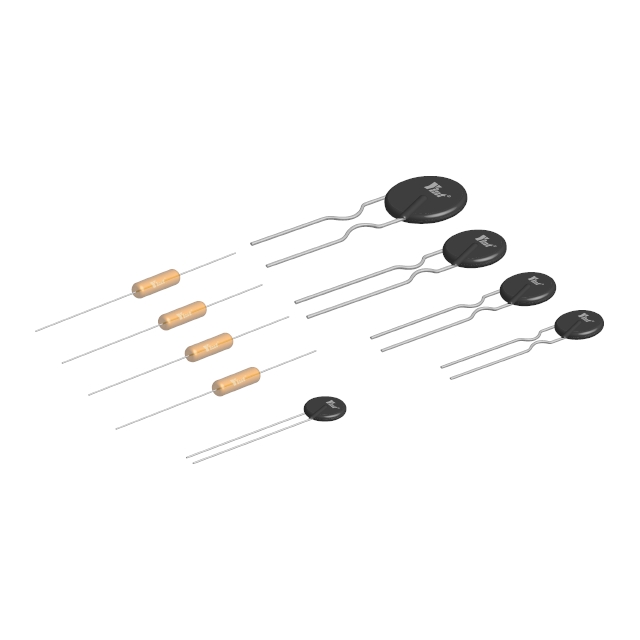
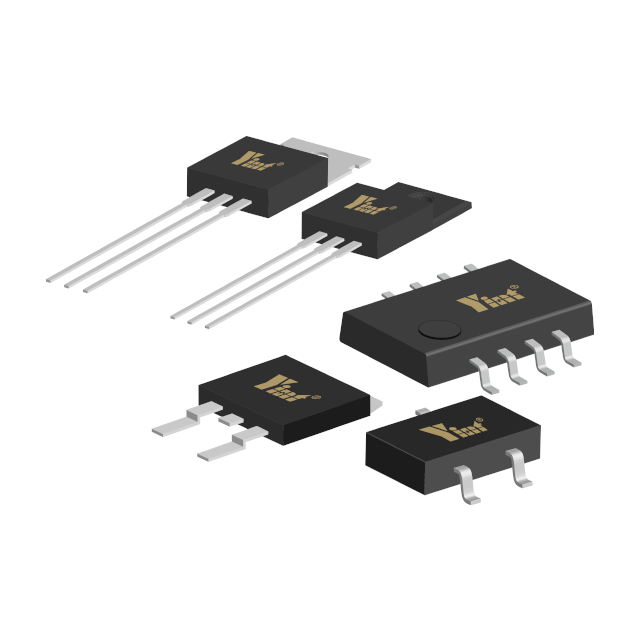
In today’s world of advanced electronics and automation, accurate temperature measurement and control are essential for ensuring safety, performance, and energy efficiency. Among the various temperature sensing components available, the NTC Thermistor (Negative Temperature Coefficient Thermistor) stands out for its exceptional sensitivity, stability, and versatility.
NTC Thermistors are widely used across numerous industries—from consumer electronics and automotive systems to industrial machinery and medical devices—because they provide precise and fast temperature response at a relatively low cost. Their ability to detect even small temperature fluctuations makes them an ideal choice for both monitoring and regulating thermal conditions in critical systems.
As the demand for smarter and more efficient temperature control solutions continues to grow, understanding where and how NTC Thermistors are applied becomes increasingly important. we will explore the top applications of NTC Thermistors in temperature measurement and control, highlighting how these components contribute to the reliability and performance of modern electronic systems.
Temperature Measurement
One of the most common and essential applications of NTC Thermistors is in temperature measurement, where their high sensitivity, rapid response, and predictable resistance-temperature (R/T) characteristics make them an indispensable component in modern electronics. These thermistors provide accurate, stable, and repeatable readings, which are critical for maintaining safety, performance, and energy efficiency in a wide range of electronic systems. Their compact size, low cost, and reliable performance make them ideal for applications that require real-time temperature monitoring and precise thermal control.
Used in Resistance Thermometers and Temperature Sensor Modules
In contemporary electronic systems, NTC Thermistors are often used as resistance thermometers or incorporated into temperature sensor modules. These modules are capable of converting subtle temperature changes into measurable electrical signals, which are then processed by microcontrollers or control circuits to trigger appropriate responses. For instance, a thermistor may signal a cooling system to activate when temperature exceeds a set threshold, or alert a battery management system to reduce charging speed to prevent overheating.
Compared to other temperature sensors such as RTDs (Resistance Temperature Detectors) or thermocouples, NTC Thermistors offer several advantages. They deliver faster response times, occupy smaller physical space, and are cost-effective, making them ideal for portable devices, compact electronics, and applications with limited space. Their versatility allows engineers to design devices that are both efficient and reliable, even in demanding environments.
High-Precision Measurement Examples
NTC Thermistors are widely employed in high-precision temperature measurement applications across multiple industries. In the medical field, thermistors are used in patient monitors, incubators, and diagnostic equipment to provide reliable and accurate body temperature readings, ensuring patient safety and stable operation. In consumer electronics, including smartphones, laptops, wearable devices, and rechargeable batteries, NTC Thermistors help monitor internal device temperatures, preventing overheating, improving performance, and extending the overall lifespan of the devices.
In industrial applications, thermistors are used to measure surface temperatures, ambient conditions, or fluid temperatures with high accuracy, even under rapidly changing or harsh environmental conditions. This capability is critical in maintaining process stability, product quality, and equipment safety in manufacturing lines, HVAC systems, and other industrial setups.
By converting even the smallest temperature fluctuations into measurable resistance changes, NTC Thermistors enable engineers and designers to achieve real-time, precise, and stable temperature measurements, which are fundamental for the safe, efficient, and reliable operation of modern electronic systems. Their widespread adoption highlights their critical role in improving device performance, reducing energy consumption, and ensuring thermal protection across a wide spectrum of applications.
Temperature Compensation
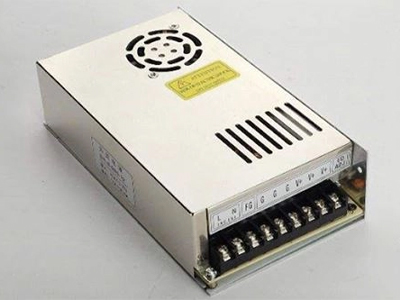
A crucial application of NTC Thermistors is in temperature compensation, where they help maintain consistent and stable performance in electronic systems that are sensitive to thermal fluctuations. Many devices, including power supplies, sensors, batteries, and precision electronics, are vulnerable to temperature-induced changes. Without proper compensation, components can experience performance drift, instability, or even permanent damage. By integrating NTC Thermistors, engineers can automatically adjust operating parameters based on real-time temperature data, ensuring devices function reliably across a wide range of conditions.
Temperature Compensation in Power Supplies and Battery Management Systems
In power supply circuits, NTC Thermistors are used to compensate for temperature-related variations in electrical parameters such as voltage, current, and resistance. As ambient temperature rises, the thermistor’s resistance decreases, signaling the system to adjust its operational settings to maintain optimal performance and efficiency. This automatic adjustment helps protect sensitive components from overheating, reduces energy waste, and ensures stable operation even under high thermal stress.
In battery management systems (BMS)—especially for lithium-ion batteries—NTC Thermistors play a critical role in monitoring temperature in real time. Batteries are particularly susceptible to thermal stress, and excessive heat during charging or discharging can significantly reduce their lifespan or even pose safety risks. By continuously tracking temperature, NTC Thermistors allow the system to dynamically control charging rates and prevent overheating, thereby enhancing battery efficiency, longevity, and safety. This integration is especially important in electric vehicles, energy storage systems, and portable electronic devices, where precise thermal management is vital for reliable operation.
Preventing Overheating and Performance Drift
Beyond power supplies and batteries, NTC Thermistors are essential for preventing overheating and minimizing performance drift in sensitive electronic components such as amplifiers, oscillators, sensors, and microcontrollers. Temperature fluctuations can cause changes in resistance, voltage, or signal behavior, which may compromise the accuracy and reliability of the system. By stabilizing these parameters, NTC Thermistors ensure that circuits continue to perform accurately under dynamic thermal conditions.
Effective temperature compensation not only protects devices from thermal damage but also improves overall system reliability, efficiency, and operational longevity. Engineers and designers rely on NTC Thermistors as a cost-effective, precise, and compact solution to maintain consistent performance in electronic systems, making them an indispensable component in modern electronics, energy management, and industrial applications.
Temperature Control
Beyond their roles in temperature measurement and temperature compensation, NTC Thermistors are indispensable components in temperature control applications. Their rapid response, high sensitivity, and compact size make them ideal for regulating thermal conditions across a wide range of consumer and industrial devices. By converting temperature variations into precise electrical signals, these thermistors enable control systems to maintain optimal operating conditions, prevent overheating, and enhance energy efficiency.
Smart Home Appliances
In smart home appliances, such as air conditioners, refrigerators, water heaters, and ovens, NTC Thermistors continuously monitor both internal and external temperatures to optimize performance and improve energy efficiency. For example, in a refrigerator, the thermistor detects subtle temperature fluctuations inside the compartment and sends real-time data to the control system. The system then automatically adjusts cooling intensity to maintain consistent food storage conditions, ensuring freshness while minimizing electricity consumption.
Similarly, in air conditioning systems, NTC Thermistors regulate airflow, compressor operation, and cooling cycles. By providing real-time feedback, they enable the system to maintain a stable and comfortable indoor climate, reduce unnecessary energy usage, and improve overall system efficiency. In water heaters and ovens, thermistors monitor the heating element temperature to prevent overheating, ensure precise cooking temperatures, and enhance appliance longevity. These examples demonstrate how NTC Thermistors contribute to safer, more efficient, and smarter home appliances.
Industrial Control Systems
In industrial applications, NTC Thermistors are widely integrated into HVAC units, industrial ovens, manufacturing machinery, automated production lines, and energy management systems. Accurate temperature control in these environments is critical for ensuring product quality, operational efficiency, and equipment safety. Thermistors detect even small changes in temperature and provide continuous feedback to control circuits, enabling automated adjustments to heating, cooling, or ventilation systems.
For instance, in industrial ovens, thermistors help maintain precise baking or curing temperatures, ensuring consistent product quality. In manufacturing assembly lines, thermistors monitor machine or ambient temperatures to prevent overheating and reduce downtime. Even in complex HVAC systems, thermistors assist in controlling airflow and compressor load, optimizing energy consumption while maintaining comfort and stability. Their fast response time and high accuracy make them particularly valuable in dynamic or extreme industrial environments, where temperature fluctuations can impact safety, efficiency, and product quality.
By integrating NTC Thermistors into temperature control systems, engineers and designers can enhance system reliability, improve energy efficiency, and prevent thermal damage to sensitive components. The versatility of these thermistors ensures they remain a core component in both consumer electronics and industrial automation, highlighting their critical role in modern temperature management solutions.
Other Applications
Beyond traditional temperature measurement, compensation, and control, NTC Thermistors are increasingly used in a variety of specialized applications across multiple industries. Their high sensitivity, compact size, and fast response make them suitable for modern electronic systems that demand precise thermal management.
Automotive Electronics
In automotive systems, NTC Thermistors are widely employed to monitor engine temperature, battery packs, and cabin climate control. Accurate temperature readings help optimize engine efficiency, protect battery life, and regulate HVAC systems for passenger comfort. In electric vehicles, thermistors are critical for battery thermal management, ensuring safe charging and discharging while preventing overheating.
Medical Devices
NTC Thermistors are also vital in medical equipment, where precise temperature monitoring is essential for patient safety and device reliability. They are used in devices such as patient monitors, incubators, and diagnostic instruments to maintain stable temperatures and ensure consistent, accurate readings. Their small size and rapid response make them ideal for applications where space is limited and real-time thermal feedback is required.
Communication Equipment and IoT Devices
In communication equipment, NTC Thermistors help maintain stable operating temperatures for routers, servers, and base stations, preventing performance degradation due to heat. Additionally, with the rise of smart IoT devices thermistors are integrated into sensors, wearable electronics, and smart home gadgets to manage temperature and optimize energy usage. These applications highlight the thermistor’s versatility and its ability to support efficient, reliable, and intelligent thermal management in connected devices.
Across these diverse applications, NTC Thermistors play a critical role in ensuring device safety, performance, and longevity, demonstrating their importance far beyond traditional industrial or consumer uses.
Conclusion
NTC Thermistors play a vital role in both temperature measurement and control, providing high sensitivity, fast response, and accurate resistance-temperature (R/T) characteristics. Their ability to detect subtle temperature changes enables precise monitoring, effective compensation, and reliable thermal management across a wide range of applications, from consumer electronics and smart home appliances to industrial machinery and medical devices. By integrating NTC Thermistors, engineers can enhance device performance, prevent overheating, improve energy efficiency, and ensure long-term reliability. Selecting the right thermistor for a specific application is critical to achieving optimal results. For professionals seeking high-quality NTC Thermistors and tailored temperature solutions, Yint Electronic offers expert guidance, reliable products, and support to meet diverse design and operational needs.