

Inquire
Introduction
In today's increasingly electronic-dependent world, safeguarding devices against unexpected voltage surges is crucial. This is where Transient Voltage Suppressor (TVS) diodes come into play. These specialized components are designed to protect sensitive electronic circuits from transient voltage spikes, which can occur due to lightning strikes, power surges, or switching activities in electrical systems. This article will explore the various types and applications of TVS diodes, helping you understand their significance in electronic circuit protection.
What is a TVS Diode?
A TVS diode is a semiconductor device that functions to clamp voltage spikes, diverting excess voltage away from sensitive components in electronic circuits. When a transient voltage occurs, the TVS diode quickly transitions from a high-resistance state to a low-resistance state, allowing it to absorb and dissipate the surge energy. This rapid response time is one of the main advantages of TVS diodes over standard diodes, which may not react quickly enough to protect against such high-energy events.
Key Specifications
· Reverse Breakdown Voltage (V_BR):
· This is the voltage at which the diode begins to conduct in reverse, providing protection against voltage spikes. It should be higher than the maximum operating voltage of the circuit.
· Clamping Voltage (V_C):
· The maximum voltage that appears across the TVS diode during a transient event. It should be low enough to protect the components downstream.
· Peak Pulse Power (P_PP):
· The maximum power the diode can dissipate during a transient event. This is typically expressed in watts and must be sufficient for the expected surge.
· Peak Pulse Current (I_PP):
· The maximum current the diode can handle during a transient event. It indicates the diode's capacity to manage surge currents.
· Dynamic Resistance (R_d):
· The resistance of the diode during the transient event. Lower dynamic resistance results in better clamping performance.
· Capacitance (C):
· The capacitance of the diode, which can affect signal integrity in high-speed applications. Lower capacitance is generally preferable for data lines.
· Operating Temperature Range:
· The temperature range within which the diode can operate reliably. It's essential for ensuring performance under varying environmental conditions.
· Reverse Leakage Current (I_R):
· The current that flows through the diode when reverse-biased at a specified voltage. This should be minimal to avoid affecting circuit performance.
· Package Type:
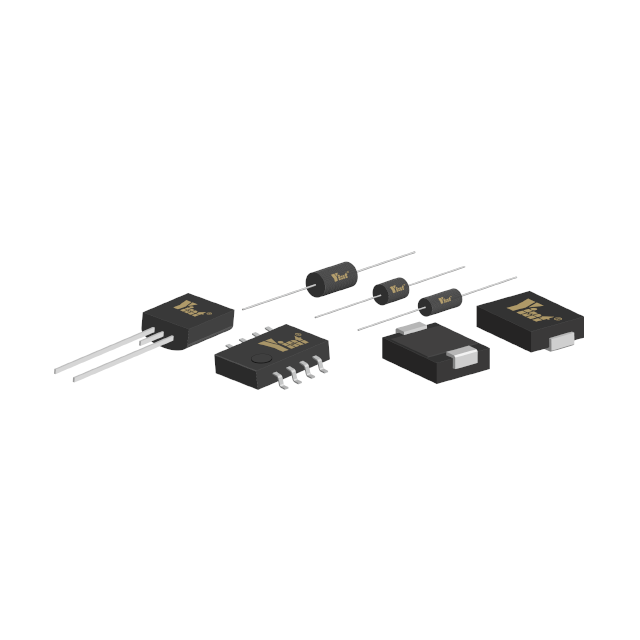
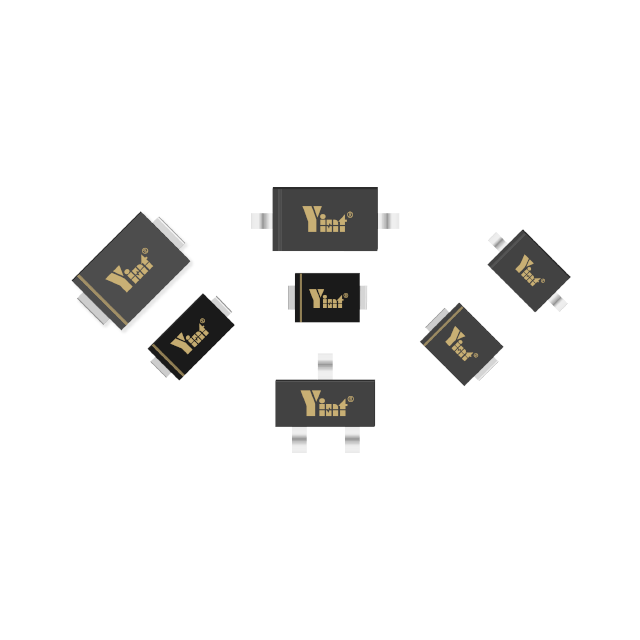
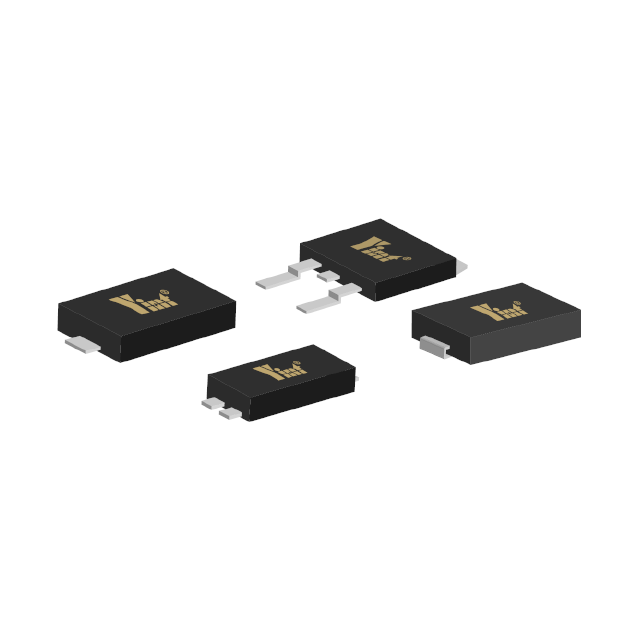
· The physical form factor of the diode, which impacts its thermal performance and ease of integration into circuits. Common packages include DO-214, SOD-323, and others.
· Stand-off Voltage (V_R):
· The maximum DC voltage that can be applied across the diode without causing it to conduct. It is crucial for selecting a TVS diode for specific applications.
Uses and Applications of TVS Diodes
TVS diodes are versatile components with a wide array of applications:
MOS Memory: In MOS memory systems, TVS diodes protect against electrostatic discharge (ESD) and voltage spikes that can corrupt data.
Telecommunication Equipment: These diodes shield communication systems from voltage fluctuations, ensuring consistent signal integrity.
Microprocessors: Microprocessors are particularly vulnerable to transients. TVS diodes safeguard them from harmful voltage surges that could disrupt operation.
AC Power Lines: In AC power systems, TVS diodes can protect appliances from voltage spikes caused by lightning or other disturbances.
Domestic Electronic Equipment: From televisions to computers, TVS diodes help maintain the longevity and functionality of everyday electronic devices.
The benefits of using TVS diodes in these applications include improved reliability, increased lifespan of devices, and reduced maintenance costs.
How Do TVS Diodes Work?
Understanding how TVS diodes operate is essential for effective application. Voltage spikes can arise from several sources, such as inductive loads, power line disturbances, or ESD events. By placing TVS diodes in parallel with circuits, they can effectively monitor the voltage levels. When a voltage spike occurs, the diode clamps the excess voltage, protecting the circuit.
The protective role of TVS diodes is summarized by their ability to absorb and redirect transient energy, thus preventing damage to sensitive components.
How to Choose a TVS Diode
Selecting the right TVS diode involves considering several key factors:
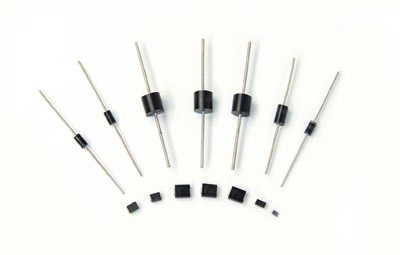
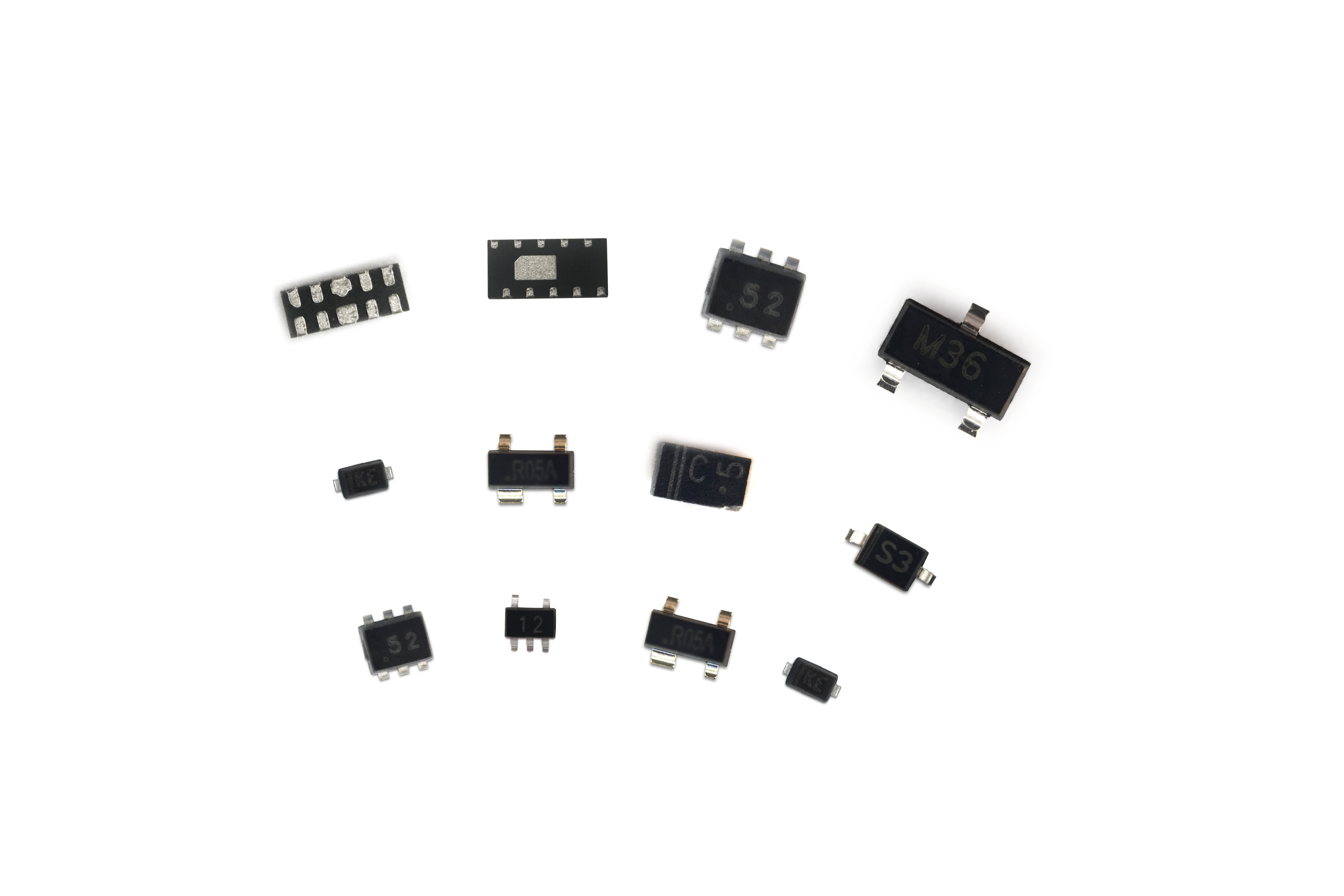
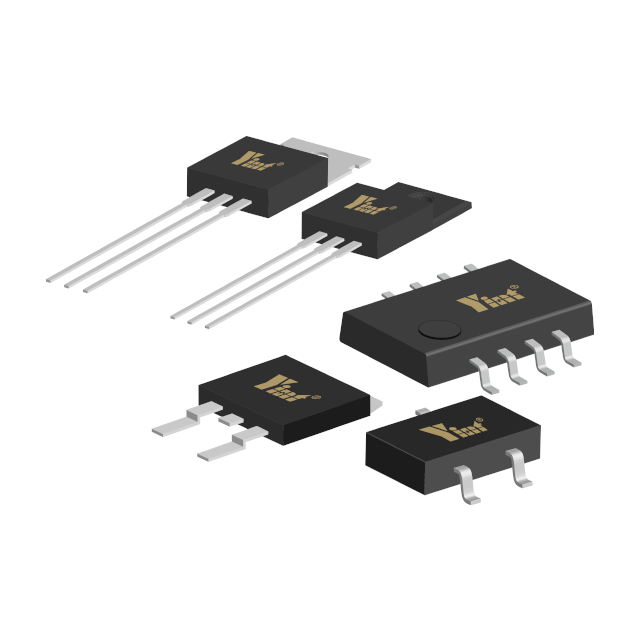
Configuration: Decide between through-hole or surface-mounted configurations based on your circuit layout.
Clamping Voltage: Choose a clamping voltage suitable for your application to ensure effective protection without interfering with normal operation.
Peak Pulse Current: Ensure that the diode can handle the maximum current it may encounter during a transient event.
Physical Dimensions: Assess the physical size to ensure it fits your design constraints.
Additional attributes to consider include:
Breakdown Voltage: The voltage at which the diode begins to conduct current.
Reverse Stand-off Voltage: The maximum voltage that can be applied without the diode conducting.
Types of TVS Diodes
1. Zener Diode:
Known for their characteristics in clamping voltage, Zener diodes are ideal for high-frequency circuits and are widely used in various applications.
2. Automotive TVS:
These diodes play a crucial role in protecting automotive components from voltage spikes, particularly in sensitive electronic control units.
3. Bidirectional Diode:
Offering advantages over unidirectional diodes, bidirectional diodes are essential in applications where voltage may vary in both directions.
4. Clamping Voltage Diode:
These diodes focus on maintaining a specific clamping voltage, crucial for protecting sensitive components.
5. ESD Diode:
Specifically designed for ESD protection, these diodes are critical in environments where static discharge is a concern.
6. Littelfuse Diode:
Littelfuse is a well-known supplier, offering a range of TVS diodes in various types and configurations for diverse applications.
7. Protection Diode:
This type protects sensitive devices from reverse voltage, ensuring they operate safely.
8. Transient Suppression Diode:
While effective in transient protection, they may have limitations in frequency response, making them suitable for specific applications.
9. Transil Diode:
With unique characteristics, Transil diodes find applications in various systems, providing robust transient protection.
Maintenance
· Regular Inspection:
· Periodically check the circuit where the TVS diode is installed for signs of physical damage, discoloration, or burnt traces, which may indicate stress or failure.
· Monitor Operating Conditions:
· Ensure that the diode operates within its specified temperature range. High temperatures can lead to degradation over time.
· Ensure Proper Ratings:
· Verify that the TVS diode's voltage and current ratings are appropriate for your application. Using a diode with insufficient ratings can lead to premature failure.
· Avoid Overvoltage Events:
· While TVS diodes are designed to protect against voltage spikes, frequent overvoltage events can stress the diode. Implement additional surge protection measures if overvoltage is common.
· Control Environmental Factors:
· Protect the circuit from moisture, dust, and corrosive substances that can affect the diode’s performance. Use conformal coatings or protective enclosures if necessary.
· Check Connections:
· Ensure all connections are secure and free from corrosion. Poor connections can lead to increased resistance and heat buildup.
· Test Functionality:
· Use a multimeter or specialized testing equipment to check the diode's functionality. This can help identify if the diode is still within its operating specifications.
· Replace When Necessary:
· If you notice a failure or degradation, replace the TVS diode promptly to maintain circuit protection.
· Follow Manufacturer Guidelines:
· Always adhere to the manufacturer's recommendations for installation and operation to ensure optimal performance.
Conclusion
Selecting the right TVS diode is critical for protecting your electronic circuits from transient voltage spikes. With a range of options available, including products from Yint Electronics, you can find the ideal TVS diode that meets your specific needs. Whether you're working on telecommunications, automotive electronics, or domestic devices, TVS diodes offer essential protection to enhance the reliability and longevity of your projects.
For more information and to explore a wide range of TVS diodes, visit Yint Electronics. Safeguard your electronics and ensure they operate flawlessly under all conditions!