

Inquire
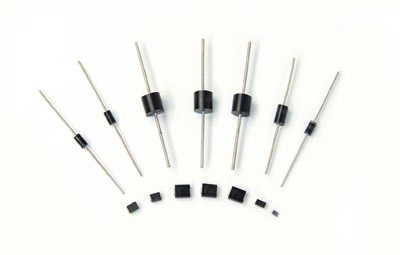
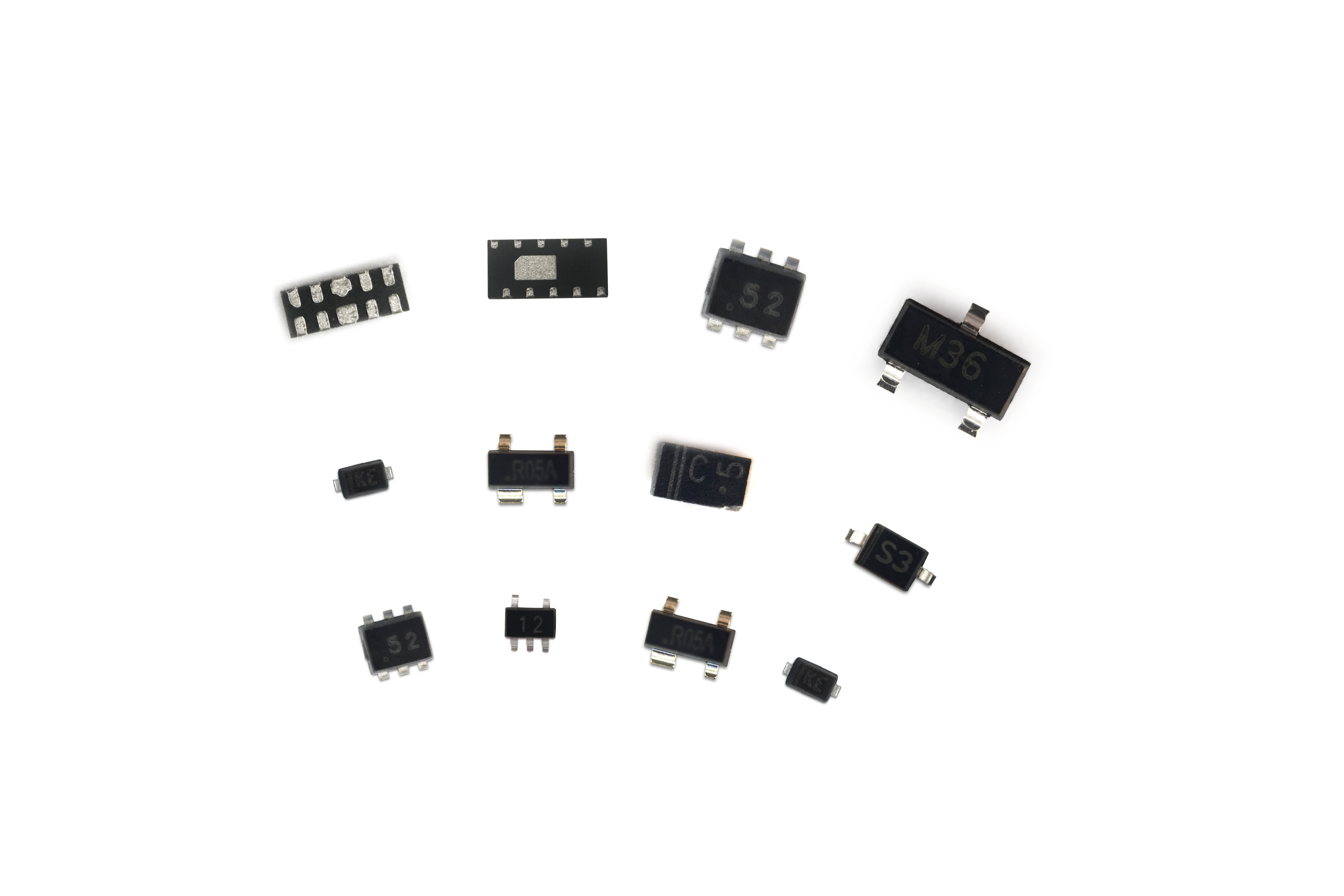
In an increasingly tech-dependent world, the need to protect electronic devices from sudden electrical surges has never been more crucial. With more sensitive electronics and appliances in our homes, the potential for damage due to voltage spikes can be costly and disruptive. Surge protection devices (SPDs), also known as surge suppressors, provide a vital layer of defense against these electrical hazards, ensuring that your devices remain safe and operational. In this article, we will explore what surge protectors are, how they work, their durability, and how to choose the right one for your home or office.
I. What is a Surge Protector?
A surge protector, or surge suppressor, is an essential tool designed to protect electrical devices from unexpected power surges, often referred to as voltage spikes. These spikes can occur when there is a sudden increase in voltage flowing through electrical lines, overwhelming the circuits of connected devices and potentially causing irreparable damage.
While these voltage increases may only last for a fraction of a second, they can have a significant impact on the lifespan of electronics. Sensitive devices such as computers, TVs, refrigerators, and home entertainment systems are particularly vulnerable to these fluctuations.
Common Causes of Voltage Spikes
Power surges can stem from both internal and external sources, making them unpredictable. Some of the most common causes include:
· Lightning strikes: Although rare, lightning strikes can cause large-scale power surges that damage electronics.
· Large appliances turning on and off: Refrigerators, HVAC systems, and other high-energy devices can create minor power surges as they cycle on and off.
· Wiring issues: Loose or faulty wiring in a home can create unstable electrical flows, leading to surges.
· Utility problems: Power grid switching or faults in the local utility provider’s systems can cause sudden changes in voltage.
By intercepting these surges, SPDs provide critical protection and prevent damage, extending the life of the electronic devices in your home or office.
II. How Does a Surge Protector Work?
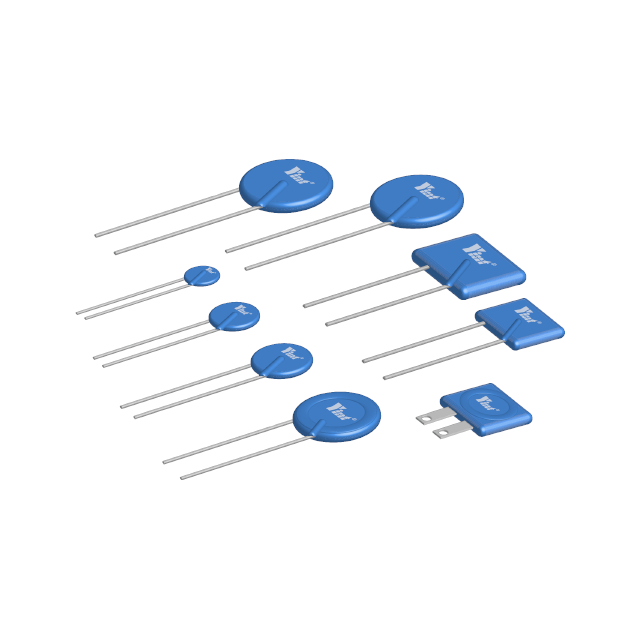
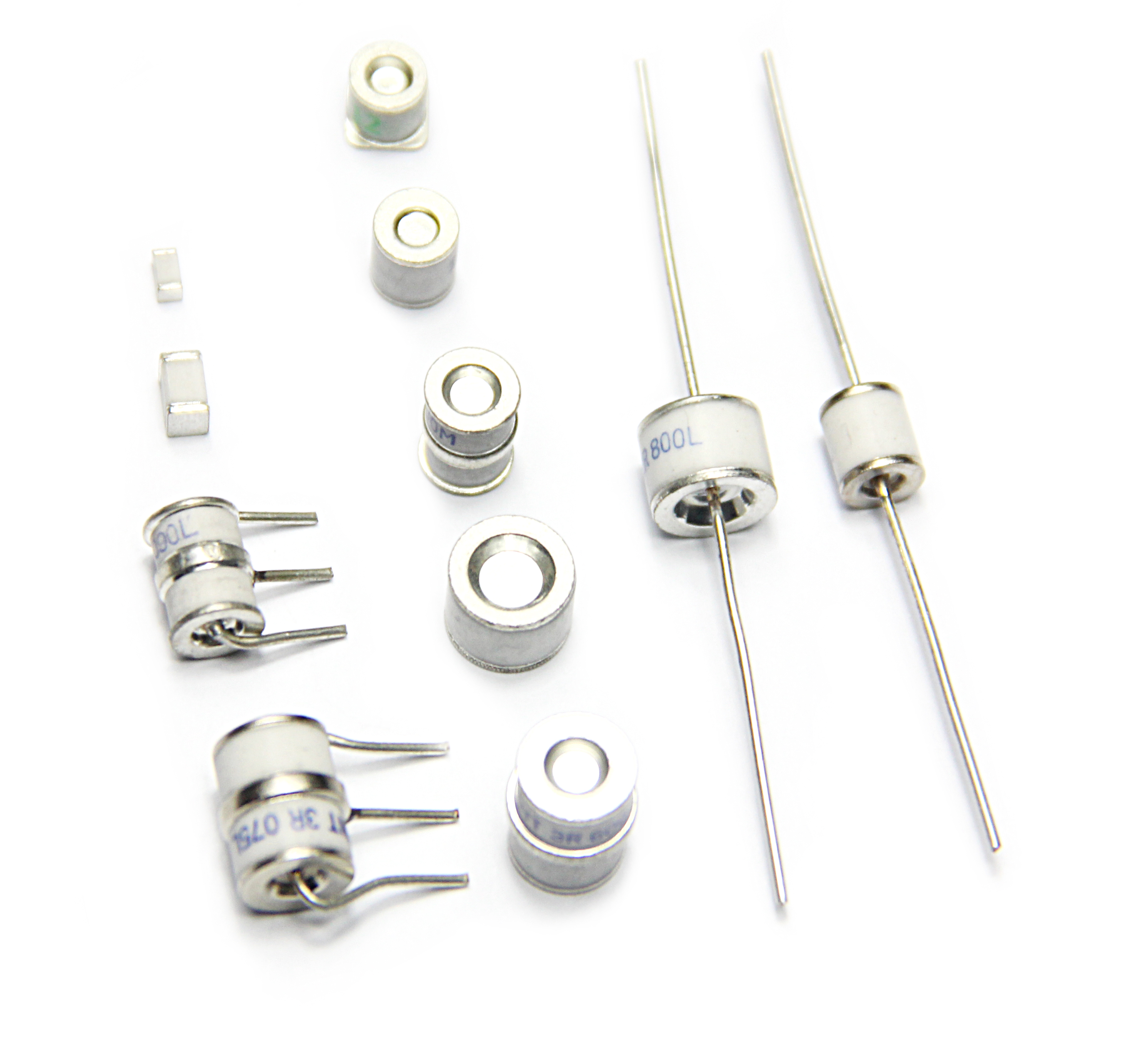
Surge protectors work by diverting excess voltage away from connected devices, preventing the surge from reaching and damaging your electronics. They achieve this through two primary technologies: Metal Oxide Varistors (MOV) and Gas Discharge Arrestors (GDR). Each operates slightly differently but is equally effective in protecting devices from transient voltage spikes.
Metal Oxide Varistor (MOV)
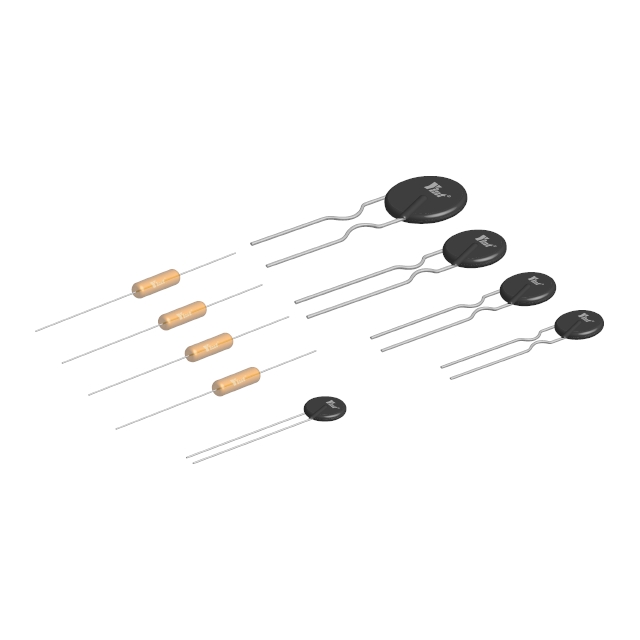
MOVs are the most common technology used in surge protectors. They are designed to absorb excess voltage and then act as a "shunt," redirecting it to the ground. The MOV contains three components: a semiconductor material that varies its resistance depending on the voltage level, a metal oxide layer, and a connecting metal terminal.
When a surge occurs:
· The MOV absorbs the excess voltage.
· It reduces its resistance, allowing the extra current to flow harmlessly into the ground.
· Once the voltage normalizes, the MOV returns to its high-resistance state, and normal current continues to flow to your devices.
Gas Discharge Arrestor (GDR)
GDRs operate similarly to MOVs but use ionized gas to protect against surges. When voltage spikes above a certain threshold:
· The gas inside the arrestor becomes ionized, allowing it to conduct electricity.
· This ionized gas creates a path for the excess current to flow to the ground line.
· Once the surge passes, the gas returns to its normal, non-conductive state.
Both MOVs and GDRs are highly effective in rerouting transient voltage and ensuring that sensitive electronics remain unharmed. However, different surge protectors may use one or both technologies depending on their design.
III. Do Surge Protectors Wear Out?
Surge protectors, while essential, do not last forever. Although the external casing of a surge protector may appear to be in perfect condition, the internal components (MOVs or GDRs) can degrade over time, especially if the device has absorbed multiple voltage spikes.
Factors That Impact Surge Protector Lifespan:
· Age: Over time, MOVs lose their ability to effectively absorb excess voltage. This means an older surge protector may not offer the same level of protection as a new one.
· Geographic Location: Homes in areas with frequent lightning storms or unstable power grids may experience more surges, causing surge protectors to wear out faster.
· Condition of Home Wiring: Poorly wired homes may cause more frequent internal surges, reducing the lifespan of your surge protector.
It’s important to keep in mind that surge protectors have a life cycle. Manufacturers often provide an estimate for the number of surges a protector can handle before its effectiveness diminishes. This information is vital when deciding whether to replace an old unit.
IV. How to Choose the Right Surge Protector
Choosing the right surge protection device can be overwhelming due to the range of options available on the market. However, by focusing on key features and understanding your specific needs, you can ensure your home or office is protected.
Factors to Consider:
· Price and Style: Surge protectors come in various price ranges, from basic models for small electronics to more expensive models designed for high-power appliances. Choose one that fits your budget while providing adequate protection.
· Voltage Handling Capacities: Different surge protectors are rated for different levels of protection, measured in joules. The higher the joule rating, the more energy the surge protector can absorb before failing. For sensitive electronics, a surge protector with a high joule rating is recommended.
· Additional Features: Some surge protectors come with additional features like telephone line or Ethernet protection. These can be useful if you want to protect devices that are connected to other types of external lines.
UL 1449 Certification
When purchasing a surge protector, always ensure that the device meets the standards set by UL 1449. This certification indicates that the surge protector has undergone rigorous testing and is designed to handle transient voltage safely and effectively. Without this certification, there is no guarantee that the surge protector will offer adequate protection.
V. Conclusion
Surge protection devices are a vital part of modern electrical systems, helping to safeguard electronics from the damaging effects of power surges. With both MOV and GDR technologies available, these devices effectively reroute excess voltage to prevent it from harming sensitive equipment. However, it’s important to remember that surge protectors do wear out over time, so regular monitoring and replacement are necessary to maintain optimal protection.
When choosing the right surge protection device for your home, consider factors such as voltage handling capacity, additional features, and ensuring the device meets UL 1449 standards. By making an informed choice, you can protect your valuable electronics and enjoy peace of mind.
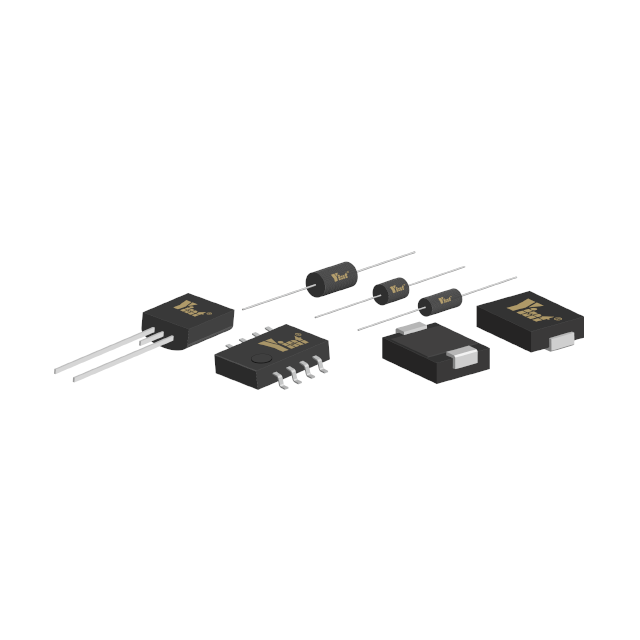
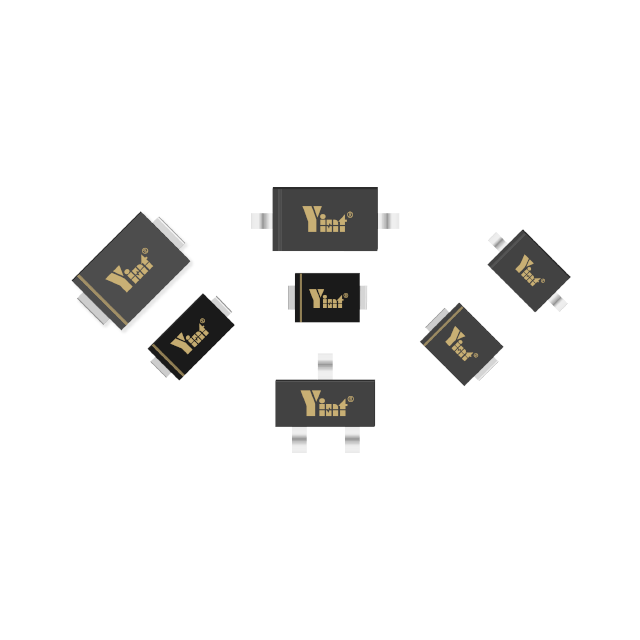
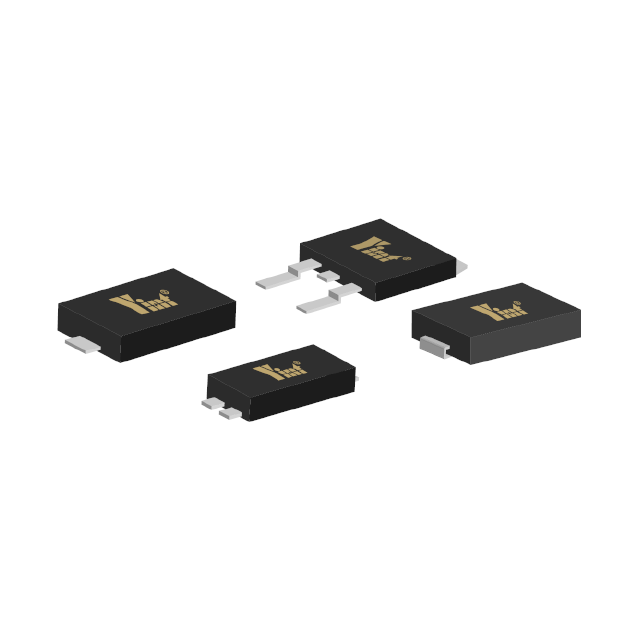
For more information on high-quality surge protection devices and solutions, visit Yint Electronics. Yint Electronics offers a wide range of surge protectors designed to meet the highest safety standards, ensuring that your electronics remain safe and operational. Protect your home and electronics today by choosing the right surge protection solutions from Yint Electronics.