

Inquire
I. Introduction
In today's world, protecting electrical installations from unexpected power surges is more important than ever. Surge Protective Devices (SPDs) offer a reliable solution to safeguard sensitive electronic equipment from the damaging effects of transient overvoltages. Whether you’re dealing with expensive electronics or critical safety systems like fire detection, SPDs are crucial in preventing unexpected failures and costly repairs.
This article explores the critical role SPDs play in modern electrical installations and how they protect devices from sudden electrical surges.
II. What Are Surge Protective Devices?
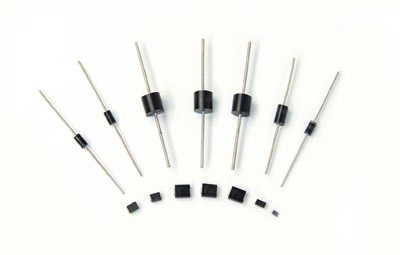
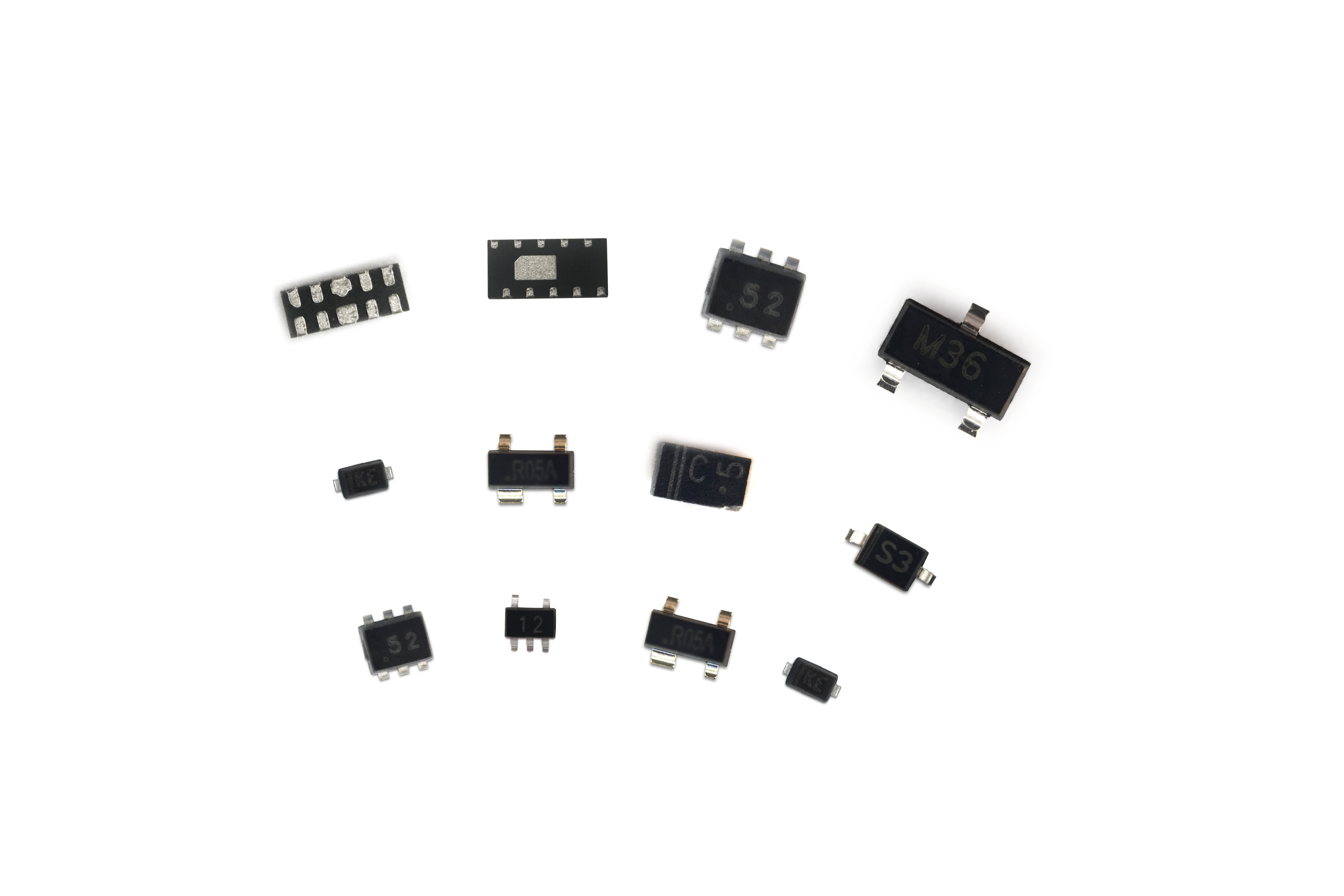
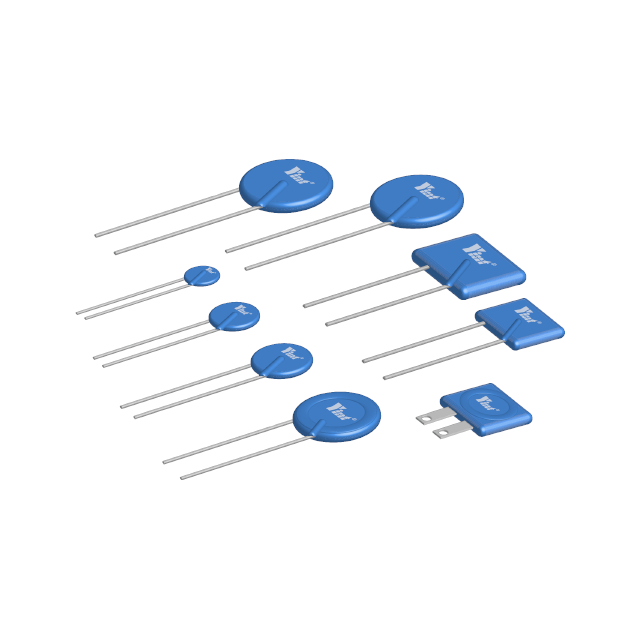
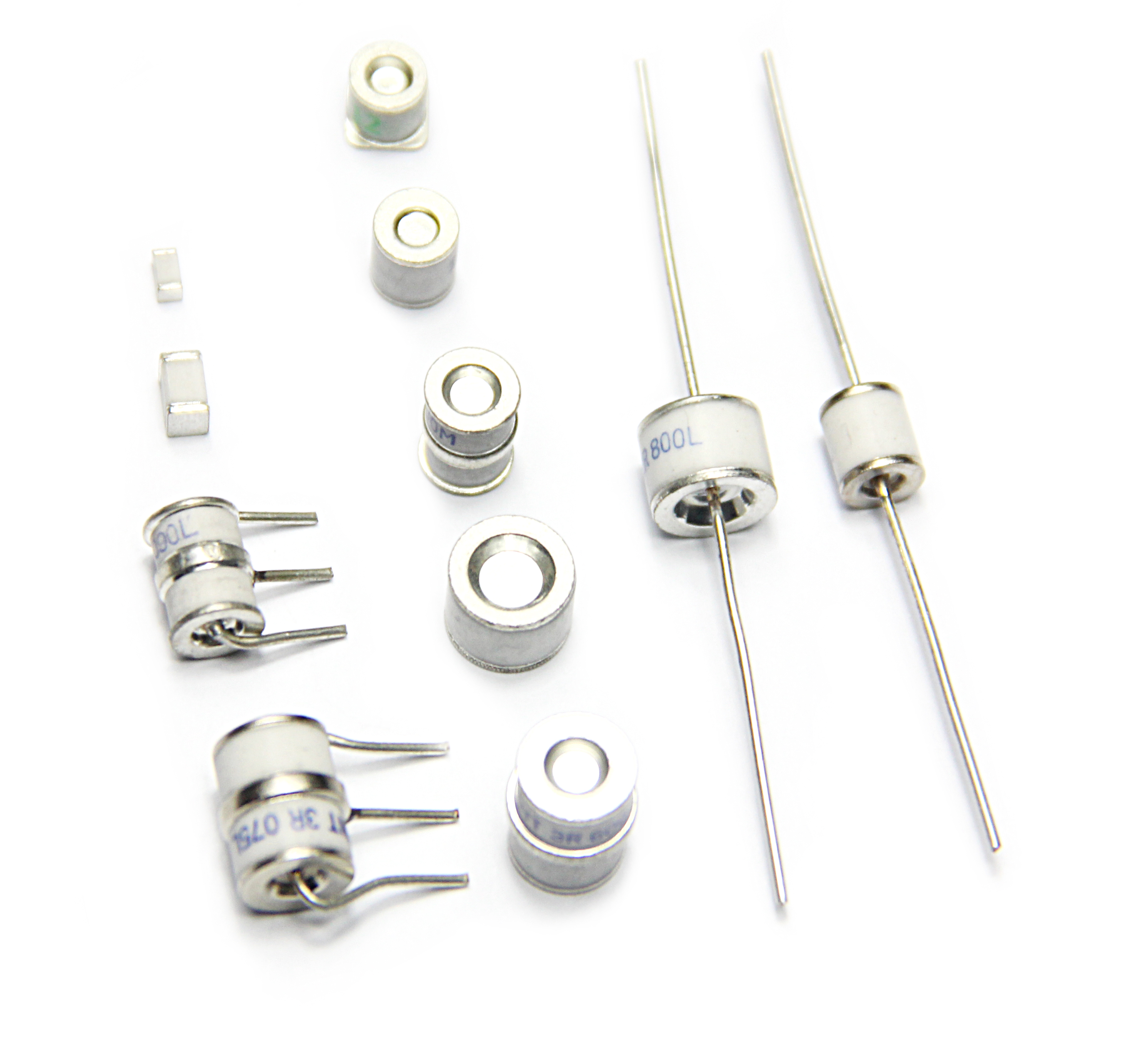
Surge Protective Devices (SPDs), also known as surge suppressors, are designed to prevent damage to electrical installations and connected electronic devices by mitigating the effects of transient overvoltages. These overvoltages are short-duration surges of electricity that can wreak havoc on appliances like computers, televisions, washing machines, and even critical safety circuits such as fire detection and emergency lighting systems.
SPDs absorb or redirect excess voltage away from sensitive equipment, protecting electrical systems from these sudden spikes. This ensures that appliances and safety systems continue to function effectively, reducing the risk of sudden failures or long-term damage.
III. Types of Surge Protective Devices
Surge Protective Devices (SPDs) are categorized based on their location within an electrical system and the level of protection they provide. There are three main types of SPDs: Type 1, Type 2, and Type 3. Each type serves a specific role in offering layered protection to electrical installations and connected devices. Let's break down these types and their applications:
1. Type 1 SPD – Main Distribution Board Protection
· Purpose: Type 1 SPDs are designed to protect against high-energy surges, typically from indirect lightning strikes. They are installed at the origin of the electrical installation, usually near the main distribution board.
· Use Case: This type of SPD is typically found in large buildings or industrial settings where the risk of direct or nearby lightning strikes is significant. It is also required in areas where buildings are connected to overhead power lines, as these structures are more vulnerable to lightning-induced surges.
· Features: Type 1 SPDs handle surges by redirecting the excess voltage safely to the ground, preventing damage to electrical systems.
2. Type 2 SPD – Sub-Distribution Board Protection
· Purpose: Type 2 SPDs are installed at sub-distribution boards and are responsible for protecting electrical installations from surges that originate from within the building, such as those caused by switching motors, transformers, or lighting systems.
· Use Case: This type is commonly used in homes, offices, and commercial buildings. It provides protection for a range of electrical devices and appliances, including televisions, computers, and kitchen equipment.
· Features: Type 2 SPDs reduce transient overvoltages to safe levels, ensuring that downstream devices are protected. They are often used in conjunction with Type 1 SPDs for comprehensive protection.
3. Type 3 SPD – Point-of-Use Protection
· Purpose: Type 3 SPDs are installed near the end load, providing localized protection for specific devices or appliances. These SPDs must always be used in conjunction with Type 2 SPDs, as they provide supplementary protection rather than standalone surge defense.
· Use Case: These devices are often plugged into outlets near sensitive electronics, such as computers, entertainment systems, and other valuable equipment.
· Features: Type 3 SPDs provide low-energy protection but are crucial for safeguarding individual devices from smaller surges or residual transient voltages.
4. Combined Type 1 & Type 2 SPDs
· Purpose: These SPDs offer both Type 1 and Type 2 surge protection in a single device, providing comprehensive protection from both external and internal surges.
· Use Case: Combined SPDs are typically used in consumer units, making them ideal for residential and commercial installations. They provide a balance between high-energy and medium-energy surge protection.
· Features: This combined solution simplifies installation and ensures that the electrical system is protected from surges regardless of their source.
Importance of Coordination and Compatibility
Proper coordination between different types of SPDs is essential for ensuring effective surge protection. The coordination ensures that the SPDs work together to provide layered defense against overvoltages. It’s also important to ensure compatibility between SPDs from different manufacturers to prevent malfunction and guarantee smooth operation.
IV. What Are Transient Overvoltages?
Transient overvoltages are short-duration surges of electricity that can either be naturally occurring or man-made. They pose a serious threat to electrical systems, with the potential to damage appliances and cause system failures.
l Man-made transients are often the result of switching motors, transformers, or even certain lighting types. As electrical installations evolve with new technologies like electric vehicle charging stations, heat pumps, and speed-controlled appliances, the frequency of these transients increases.
l Natural transients, on the other hand, are typically caused by indirect lightning strikes. These strikes can lead to a sudden release of energy into the power grid, which then travels along power or telephone lines, causing damage to connected systems.
Without proper protection, such transient overvoltages can lead to expensive repairs or replacements of appliances and safety systems.
V. Why Transient Overvoltages Are a Growing Concern
With the increasing adoption of modern technology in homes and businesses, transient overvoltages have become more common. Devices such as electric vehicle chargers, heat pumps, and speed-controlled washing machines significantly increase the likelihood of power surges. As homes and businesses integrate more sophisticated electrical systems, the need for proper surge protection becomes even more critical.
Moreover, transient overvoltages can gradually degrade electronic systems, reducing their lifespan. In some cases, the damage may not be immediately apparent, but over time, the performance of these systems can decline, leading to costly repairs or replacements. This is why implementing a comprehensive surge protection system is essential for ensuring the longevity of both appliances and electrical installations.
VI. Legal and Regulatory Requirements for SPDs
According to the IET Wiring Regulations (BS 7671:2018), protection against transient overvoltages is now a legal requirement for many types of electrical installations. This regulation mandates that SPDs must be installed in cases where transient overvoltages could result in:
· Serious injury or loss of human life
· Interruption of public services or commercial activity
· Damage to cultural heritage
· Disruption affecting a large number of co-located individuals
Previously, some domestic dwellings could be exempt from these requirements, particularly if they were connected to the power grid via underground cables. However, with the latest updates to the IET Wiring Regulations, all new builds and rewired properties must now include SPDs as part of their electrical systems.
For existing properties undergoing modifications, SPDs must also be installed to ensure compliance with the most current standards. This ensures that homes and businesses are better protected from the risks posed by transient overvoltages.
VII. Deciding Whether to Install SPDs
When considering whether to install SPDs, several factors come into play. First, evaluate the cost of installing SPDs versus the potential damage that could occur without them. While SPDs may require an initial investment, they can save homeowners and business owners thousands of dollars in repair costs over time.
In most cases, SPDs can be retrofitted into existing consumer units. If space is limited, they can also be installed in external enclosures adjacent to the consumer unit. It’s worth noting that SPDs vary in price depending on their type and functionality, but in many cases, this investment is far outweighed by the protection they offer.
VIII. Insurance Considerations
An often-overlooked aspect of surge protection is its impact on insurance claims. Some insurance policies may specifically require that SPDs be installed in order to cover damage caused by power surges. Without adequate protection, claims for surge-related damage might be denied, leaving homeowners or business owners to bear the full cost of repairs or replacements.
Before opting out of SPD installation, it’s advisable to check with your insurance provider to ensure that your equipment is fully covered in the event of a power surge.
IX. Conclusion
Surge Protective Devices play a crucial role in safeguarding both electrical installations and sensitive equipment from the damaging effects of transient overvoltages. As technology advances and homes and businesses become more reliant on complex electrical systems, the risk of power surges increases.
By investing in SPDs, you not only protect your valuable electronics but also ensure the safety and longevity of your electrical installation. With the added benefit of complying with legal requirements and potentially avoiding costly insurance disputes, SPDs are an essential component of any modern electrical system.
For more information about high-quality Surge Protective Devices, visit Yint-Electronic. Discover how our products can help protect your home and business from electrical surges, ensuring safety and reliability for years to come.