

Inquire
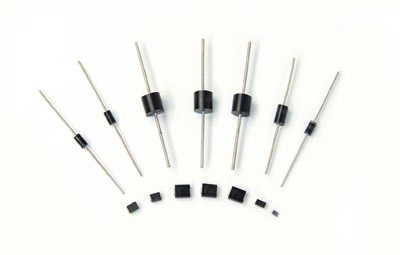
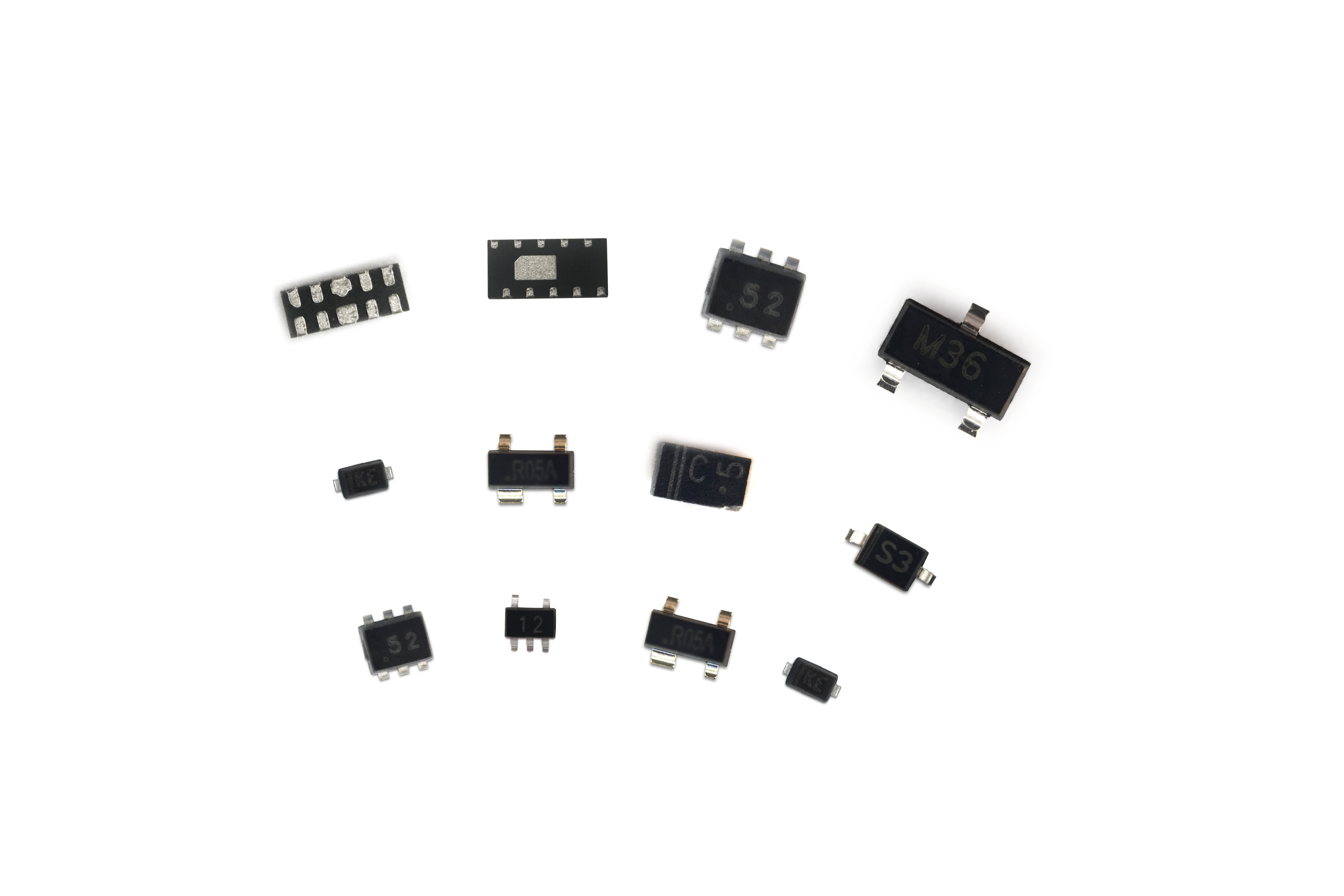
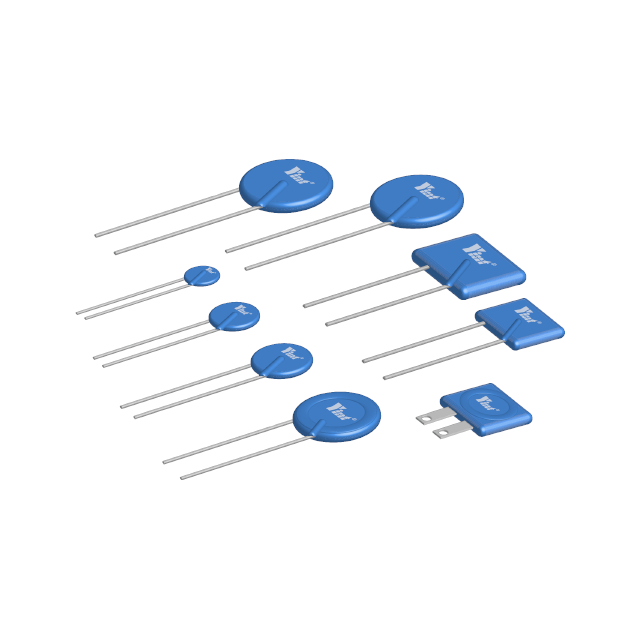
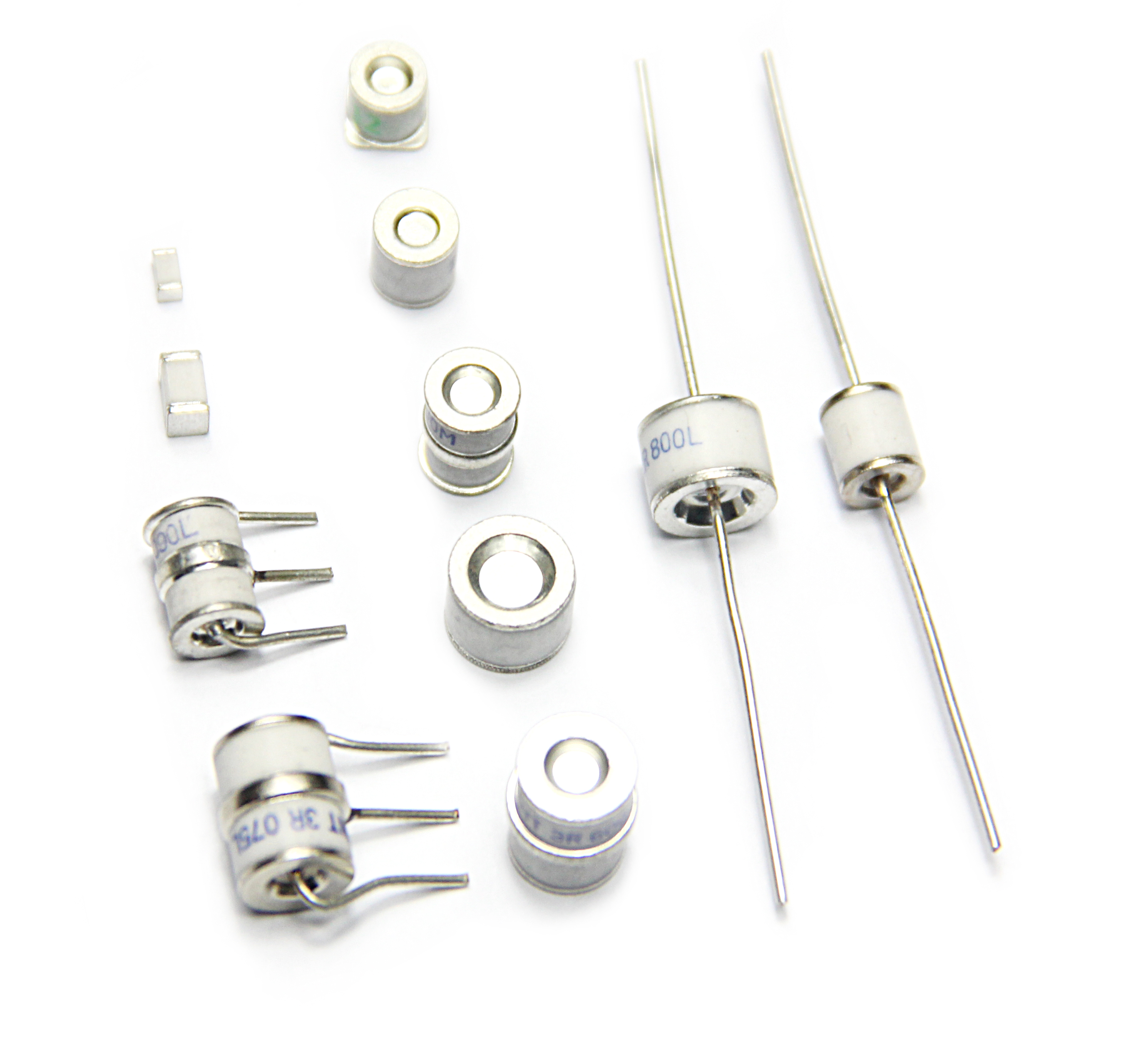
In today’s technology-driven world, the reliance on electrical devices and systems has never been greater. From homes to commercial establishments, electrical systems are essential for daily operations and comfort. However, with this dependence comes the risk of power surges, which can have devastating effects on electronic equipment and electrical systems. Surge Protective Devices (SPDs) play a critical role in safeguarding these investments by providing a protective barrier against voltage spikes. This article delves into the importance of SPDs, how they work, and what to consider when selecting the right device for your needs.
Understanding Power Surges
A power surge is a sudden increase in voltage that can last for a fraction of a second or several minutes. These surges can be caused by various factors, including:
1. Lightning Strikes: A common cause of surges, lightning can induce high voltages that travel through power lines and into homes and businesses.
2. Utility Switching: Changes in the electrical grid, such as the switching of power lines, can create sudden voltage changes.
3. Electrical Equipment: Large appliances like refrigerators and air conditioners can cause surges when they cycle on and off.
4. Faulty Wiring: Poorly installed or damaged wiring can lead to voltage fluctuations.
The consequences of power surges can range from minor disruptions to severe damage, including the total failure of electronic devices, data loss, and even electrical fires.
The Role of Surge Protective Devices
Surge Protective Devices are designed to protect electrical systems from voltage spikes. They work by diverting excess voltage away from sensitive equipment, ensuring that the electrical current remains within safe limits. Here’s how SPDs contribute to electrical safety:
1. Protection of Sensitive Equipment
Many modern electronic devices, including computers, televisions, and home entertainment systems, contain delicate components that can be easily damaged by power surges. SPDs help protect these devices, extending their lifespan and preventing costly repairs or replacements.
2. Minimizing Downtime
In commercial settings, power surges can lead to significant downtime, impacting productivity and profitability. By installing SPDs, businesses can mitigate the risk of disruptions, ensuring that operations continue smoothly.
3. Enhancing Safety
Surges can not only damage equipment but also pose safety hazards. SPDs help reduce the risk of electrical fires caused by voltage spikes, contributing to a safer environment for both residential and commercial properties.
4. Insurance and Warranty Considerations
In some cases, insurance policies and warranties may require the installation of surge protection to cover damages related to power surges. By having SPDs in place, property owners can ensure compliance with these requirements and protect their investments.
Applications of Surge Protection Device
Surge Protective Devices (SPDs) are critical in various applications across different industries, providing essential protection against voltage spikes and power surges. Here are some common applications of SPDs:
1. Residential Applications
· Home Appliances: SPDs protect household appliances like refrigerators, microwaves, and washing machines from voltage spikes.
· Home Entertainment Systems: Devices such as televisions, gaming consoles, and audio systems benefit from surge protection to prevent damage from power surges.
· Computers and Networking Equipment: SPDs are essential for protecting computers, routers, and other networking equipment to prevent data loss and hardware damage.
2. Commercial Applications
· Office Equipment: SPDs protect computers, printers, and copiers in office environments from voltage surges that can lead to equipment failure.
· HVAC Systems: Heating, ventilation, and air conditioning systems are safeguarded against surges that can damage sensitive components.
· Lighting Systems: Commercial lighting systems can be protected to avoid failures that disrupt operations and lead to costly repairs.
3. Industrial Applications
· Manufacturing Equipment: SPDs protect machinery and production equipment from power fluctuations, ensuring consistent operation and reducing downtime.
· Control Systems: Industrial control systems and PLCs (Programmable Logic Controllers) require protection to maintain functionality and prevent costly interruptions.
4. Telecommunications
· Telecom Equipment: SPDs protect telecommunications infrastructure, including cell towers, base stations, and data centers, from surges caused by lightning strikes or utility switching.
· Network Infrastructure: Equipment like routers, switches, and servers in data centers and server rooms are safeguarded against voltage spikes.
5. Renewable Energy Systems
· Solar Power Systems: SPDs are crucial in solar energy installations to protect inverters and other electrical components from power surges caused by lightning or grid disturbances.
· Wind Turbines: Protection devices are used in wind energy systems to safeguard control systems and power electronics.
6. Healthcare Facilities
· Medical Equipment: Hospitals and clinics use SPDs to protect sensitive medical devices, such as MRI machines and patient monitoring systems, from power fluctuations.
· Laboratories: Research and laboratory equipment require surge protection to prevent damage and ensure accurate results.
7. Transportation
· Rail Systems: SPDs protect signaling and control systems in rail networks from surges that could disrupt operations.
· Airports: Ground support equipment and communication systems at airports benefit from surge protection to maintain safety and reliability.
8. Building Management Systems
· Smart Buildings: SPDs are used in building automation systems to protect control panels, sensors, and other connected devices from power surges.
· Security Systems: Surveillance cameras, alarms, and access control systems require protection to ensure continuous operation and security.
9. Data Centers
· Server Protection: SPDs are critical in data centers to protect servers and storage devices from voltage spikes that can lead to data loss and equipment failure.
· Cooling Systems: Cooling equipment in data centers is also protected to maintain optimal operating conditions.
10. Retail and Point of Sale
· POS Systems: Retail environments use SPDs to protect point-of-sale systems and payment terminals from surges that can disrupt transactions.
· Digital Signage: Advertising displays and digital signage systems benefit from surge protection to prevent costly downtime.
Selecting the Right Surge Protective Device
Choosing the appropriate surge protective device for your needs involves several considerations:
1. Voltage Rating
Ensure that the SPD you select is compatible with the voltage levels of your electrical system. Most residential systems operate at 120/240V, while commercial systems may require higher voltage ratings.
2. Surge Current Rating
The surge current rating indicates the maximum surge energy the device can handle. Look for SPDs with a high surge current rating (measured in kiloamperes or kA) to ensure adequate protection against powerful surges.
3. Response Time
The response time of an SPD refers to how quickly it reacts to a surge. A faster response time can provide better protection for sensitive equipment.
4. Installation Location
Consider where the SPD will be installed. Type 1 SPDs are best for external protection, while Type 2 and Type 3 SPDs are suited for internal applications. A comprehensive protection strategy may involve using a combination of these devices.
5. Certifications and Standards
Ensure that the SPD meets industry standards and certifications, such as those set by Underwriters Laboratories (UL) or the International Electrotechnical Commission (IEC). These certifications indicate that the device has undergone rigorous testing for safety and performance.
Installation and Maintenance of Surge Protective Devices
Proper installation and maintenance of SPDs are crucial to their effectiveness. Here are some tips to ensure optimal performance:
1. Professional Installation
It is advisable to have SPDs installed by a qualified electrician. They can ensure that the devices are correctly integrated into the electrical system and comply with local codes.
2. Regular Inspections
Conduct regular inspections of your surge protective devices to ensure they are functioning correctly. Look for signs of wear, damage, or failure indicators, such as warning lights.
3. Replacement
SPDs can wear out over time, especially after significant surges. It is essential to replace them according to the manufacturer's recommendations or after experiencing a substantial surge.
4. Education and Awareness
Educate yourself and your staff about the importance of surge protection. Awareness of potential surge sources and the role of SPDs can contribute to better overall electrical safety.
Conclusion
Surge Protective Devices are essential for protecting your investment in electrical systems and equipment. By understanding the importance of SPDs, the different types available, and how to select and maintain them, you can ensure a safer and more reliable electrical environment. Investing in surge protection not only protects your devices but also enhances safety, minimizes downtime, and provides peace of mind in an increasingly electronic world. With the right surge protective measures in place, you can shield your investments and enjoy the benefits of modern technology without fear of sudden power surges disrupting your life or business.
For optimal protection and to learn more about high-quality surge protective devices, consider consulting with a reputable supplier like Yint Electronics. Visit their website for more information and to explore their range of products designed to enhance your electrical safety.