


 Global









First, Market Status and Design Trends of Digital X-ray Machines
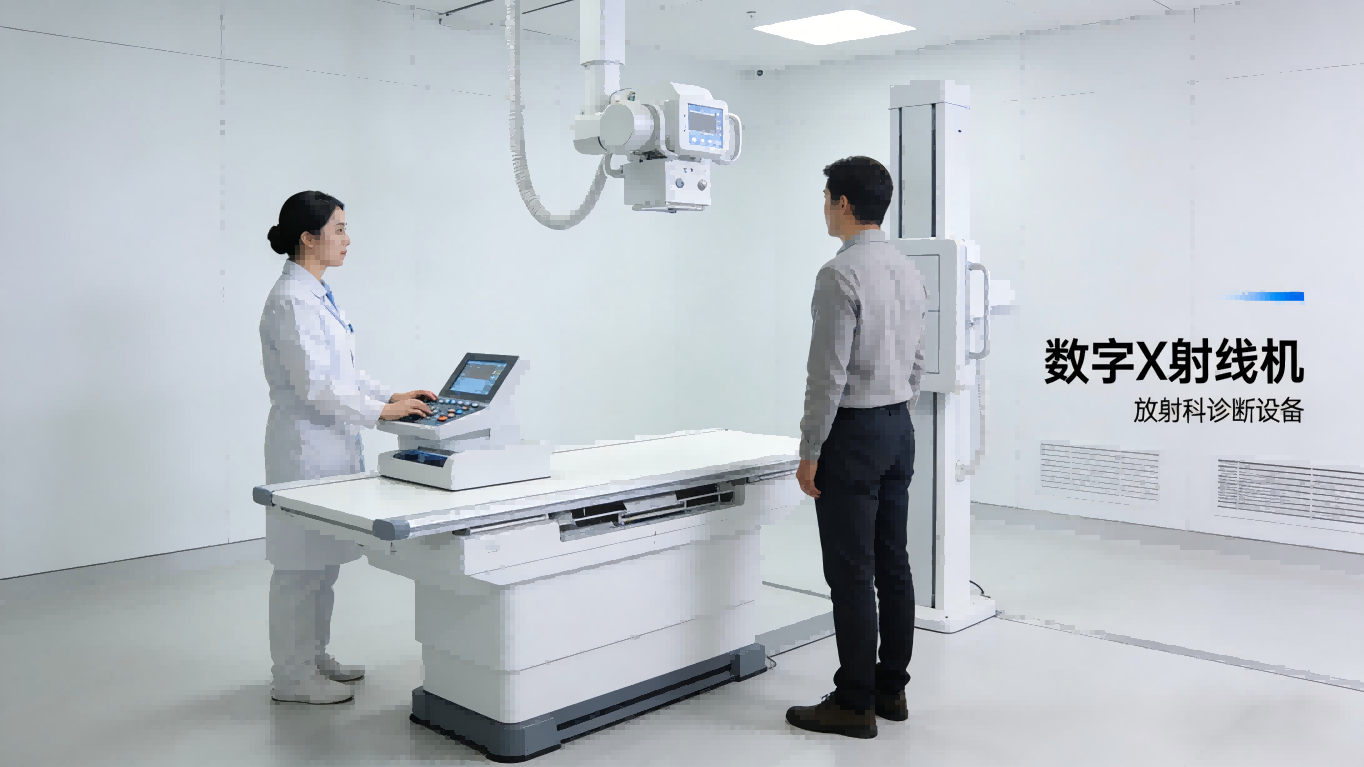
Modern medical imaging equipment is rapidly developing towards digitization, high integration, and networking. As a core diagnostic tool, the digital X-ray machine (DR) integrates a high-voltage generator, precision detector, high-speed data acquisition and transmission system, and complex control units. This highly complex electronic system coexists within a limited space, making the device itself both a potential strong source of electromagnetic interference and a target extremely sensitive to electromagnetic interference. Therefore, Electromagnetic Compatibility (EMC) performance has evolved from a compliance requirement into a core technical indicator determining equipment reliability, image quality, and long-term stability. Major global markets, including China, the European Union, and the United States, enforce strict EMC standards for medical devices. Any failure to meet these standards means the product cannot be marketed.
Second, EMC/ESD Challenges Faced by R&D Engineers
The EMC design challenges for digital X-ray machines are multidimensional and severe. The core pain point lies in the contradiction between high-voltage pulse operation and the coexistence of low-voltage sensitive circuits. The high-voltage generator produces pulses up to tens of kilovolts at the moment of exposure, accompanied by intense transient electromagnetic radiation and conducted interference. This interference can easily couple through space or power line crosstalk into low-voltage digital circuits and detectors, causing image artifacts, data packet loss, or even system crashes. Simultaneously, frequent contact with the human body makes positions like the operation panel, foot switch, and data interfaces prone to introducing Human Body Electrostatic Discharge (ESD), directly threatening the safety of interface chips. Furthermore, the device needs to connect to hospital networks for data transmission. Communication interfaces like RJ45 must withstand surge impacts from the power grid and Electrical Fast Transient (EFT) burst interference to ensure the continuity and accuracy of data transmission. These interferences have a wide spectrum and high energy, requiring protection solutions to be effective across an extremely wide frequency band without affecting the integrity of high-speed data signals. This imposes stringent requirements on the selection of protective components.
Third, Design of Efficient Circuit Protection Solutions
Addressing the EMC issues of digital X-ray machines requires adopting a system-level protection strategy, following the principles of "Zoning Protection, Multi-stage Filtering, and Low-Impedance Grounding." First, clear EMC zoning of the equipment is necessary, physically and electrically isolating the high-voltage, low-voltage, digital, analog, and interface sections. For the power input port, the main channel for external interference intrusion, primary (coarse) protection and secondary (fine) protection must be established. Coarse protection uses Gas Discharge Tubes (GDT) or Metal Oxide Varistors (MOV) to discharge high-energy surges like lightning strikes. Fine protection employs TVS diodes to clamp subsequent residual voltage and fast transient interference. For critical internal DC power lines, such as those supplying the detector, FPGA, and ADC (e.g., DC3.3V, DC5V, DC12V, DC24V), low-capacitance TVS arrays or dedicated power line ESD protection devices must be deployed near the IC power pins to absorb internal switching noise and coupled interference. For all external interfaces, including operation panel buttons, USB data interfaces, RJ45 network ports, and possible LVDS display interfaces, targeted signal line protection devices must be integrated. The core is selecting TVS arrays with ultra-low clamping voltage and extremely low parasitic capacitance to ensure minimal impact on the eye diagram of high-speed signals while discharging ESD current.
Fourth, Practical Selection Guide
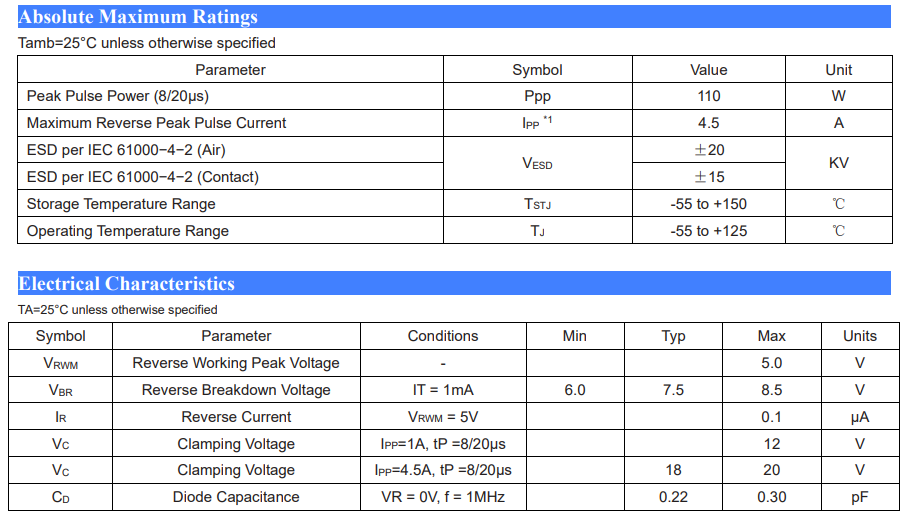
For the demanding operating conditions of digital X-ray machines, YINT Electronics' comprehensive circuit protection solutions can precisely match the requirements of each stage, achieving all-round protection from ports to the chip level. At the AC power input, for AC220V lines, it is recommended to use YINT Electronics' 2R600L series gas discharge tubes paired with 14D511K or 14D561K varistors to form a primary discharge path, effectively withstanding standard 5KA surge impacts. For the critical internal DC power bus, such as the DC24V line powering the control system, it is recommended to use common-mode inductors to suppress conducted interference, paired with SMDJ24CA TVS diodes for transient voltage clamping. For DC5V and DC3.3V lines powering precision analog circuits and the digital core, low clamping voltage ESD protection devices, such as ESDLC3V3D3B, must be selected and placed directly near the chip's power pins. Regarding data and communication interfaces, for the essential RJ45-1G interface for device networking, it is recommended to use common-mode chokes to suppress common-mode noise on differential signals, while deploying ESDLC3V3D3B TVS arrays from each data line to ground, providing ESD protection up to IEC 61000-4-2 Level 4. For USB2.0/3.0 interfaces used for data transfer or device debugging, a combination of filters and protection devices like ESDLC5V0D8B can be selected to ensure the integrity of high-speed data transmission is not affected by ESD events. For LVDS or DP interfaces connecting high-resolution displays, CMZ2012A-900T ferrite beads need to be paired with ultra-low capacitance TVS arrays like ESDLLC5V0D8BH to provide robust protection while minimizing signal distortion.
ESDLLC5V0D8BH
Fifth, Summary and Recommendations.
EMC design for digital X-ray machines is a systematic engineering task that runs throughout the entire product development cycle and cannot be solved by simple "rectification" in later stages. The key to success lies in incorporating EMC protection as part of the architectural design during the early planning phase, and conducting targeted component selection and PCB layout/routing based on accurate analysis of interference sources and susceptibility. YINT Electronics' extensive product line, from high-current devices for AC power protection to TVS for DC lines, and ultra-low capacitance protection arrays for high-speed data interfaces, provides engineers with a complete and reliable solution library. It is recommended that R&D teams refer to EMC standards for medical equipment, such as IEC 60601-1-2, during the initial project phase, and use YINT's typical application solutions as a benchmark. By conducting pre-compliance testing to identify and optimize issues early, high-end medical equipment that meets regulatory requirements and possesses excellent reliability can be developed efficiently.
 Hot News


 沪公网安备31011702889749号